HFSE International Education Programme
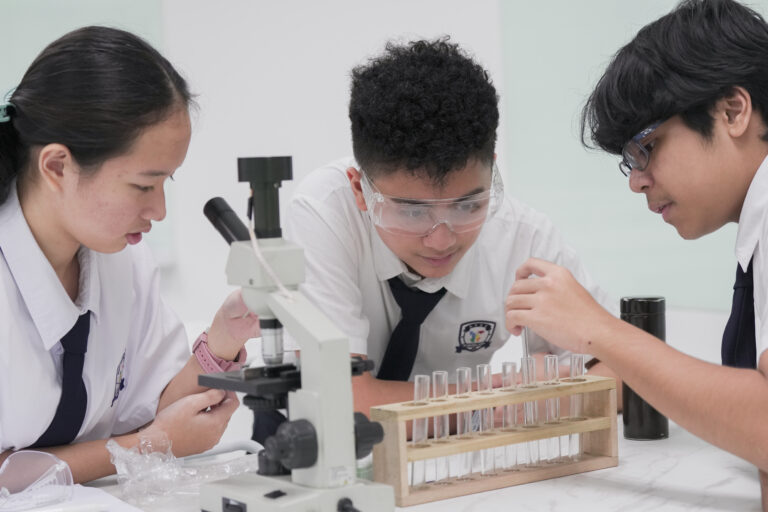
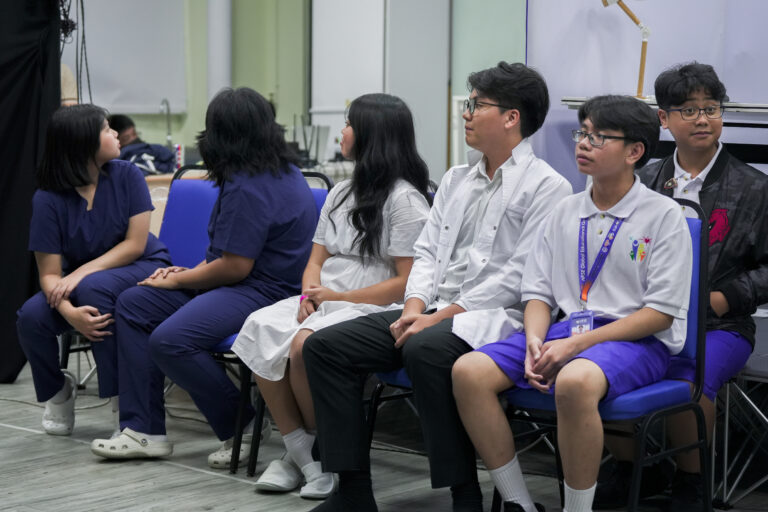
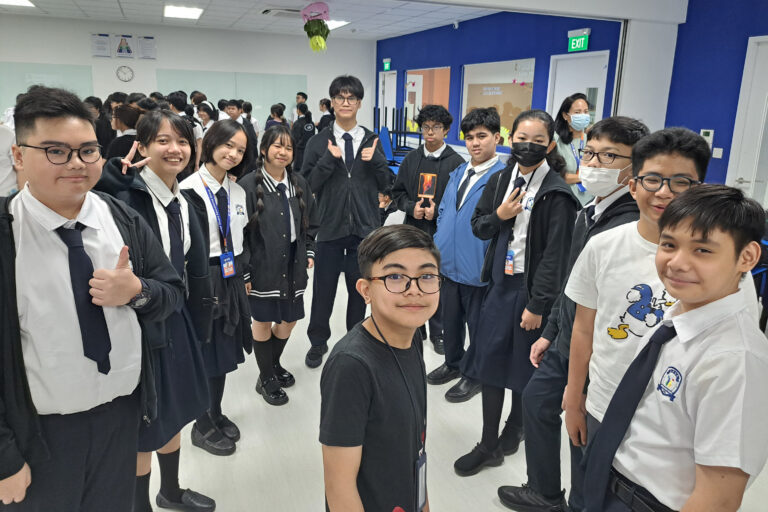
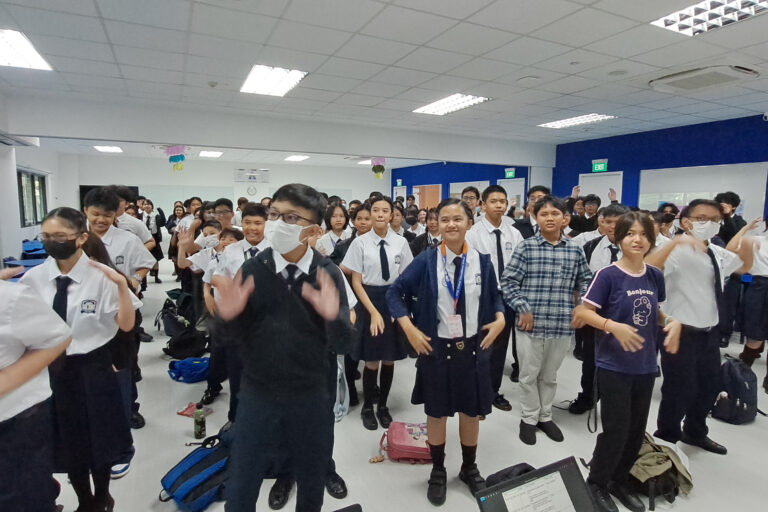
The HFSE International Education Programme is structured under the Cambridge Framework by Cambridge Assessment International Education (CAIE, UK). This provides students with a globally recognised curriculum, personalized learning, and a clear pathway towards IGCSE.
HFSE International Education Programme Information
Assessment and Grading
At HFSE International School, assessment is designed to support meaningful learning and student growth. We believe assessment should not only measure academic performance, but also help develop character, resilience, and essential life skills.
Our assessment system is guided by international best practices and ensures transparency, fairness, and consistency for all learners.
Grading System
Major Subjects
Score
Descriptor
90 – 100
Outstanding
85 – 89
Very Satisfactory
80 – 84
Satisfactory
75 – 79
Fairly Satisfactory
Below 75
Below Minimum Expectations
Other Subjects
Grade
Description
Score Equivalent
A
Fully demonstrated required skills
90 – 100
B
Demonstrated most required skills
85 – 89
C
Fairly demonstrated required skills
80 – 84
D
Limited demonstration of required skills
75 – 79
IP
In Progress
———–
E
Exempted
———–
Modules Taught
Cambridge Art and Design
International Syllabus
Co-Curricular Activities (CCA)
International Syllabus
Cambridge Computing
International Syllabus
Cambridge English
International Syllabus
Cambridge Global Perspectives
International Syllabus
Cambridge Humanities
International Syllabus
Cambridge Mathematics
International Syllabus
Cambridge Science
International Syllabus
Pastoral Ministry and Personal Development
International Syllabus
Physical Education and Health
International Syllabus
Duration
12 months (full-time)
Type of Certificate Awarded
Certificate of Completion
Requirement for Graduation
- Academic competency (75% passing grade)
- Minimum 80% attendance required
- Adherence to behavioural standards and character guidelines
Mode of Assessment
12 months (full-time)
Commencement Date
11 January 2027
End Date
09 January 2028
Modules Learning Objectives
HFSE International Education Programme
Module Title | Learning Objective |
Cambridge English | Based on the Cambridge Primary English Framework, this module develops listening, speaking, reading, and writing through integrated and communicative approaches. Students learn phonics, grammar, vocabulary, and comprehension to become confident users of English and reflective learners who can express ideas clearly and sensitively across contexts. Mode of Delivery: Face to Face or Asynchronous Learning (Home-based Learning) |
Cambridge Mathematics | Following the Cambridge Primary Mathematics Framework, students explore number, pattern, shape, and measurement through hands-on and problem-solving activities. They learn to reason mathematically, apply logical thinking, and communicate their ideas effectively, developing confidence and perseverance in tackling real-life problems. Mode of Delivery: Face to Face or Asynchronous Learning (Home-based Learning) |
STAR (Sports, Talent, Arts, and Rhythm) | The STAR (Sports, Talent, Arts, and Rhythm) module at HFSE International School is designed to nurture and develop students’ physical, creative, and artistic abilities from an early age. Integrating sports activities that promote fitness and teamwork, talent exploration in music, dance, and visual arts for creative expression, and musical education focusing on rhythm and melody, this comprehensive program provides a well-rounded educational experience. The STAR module aims to build students’ confidence, teamwork, and communication skills, ensuring a balanced and enriching primary school experience that prepares them for future academic and personal success. Mode of Delivery: Face to Face or Asynchronous Learning (Home-based Learning) |
Homeroom and Values Education | The Homeroom and Values Education module focuses on character development and fostering a positive school culture. This module provides students with opportunities to explore and internalise the HFSEan Virtues such as Faith, Hope, Love, Trust, Respect, Commitment, Discipline, Integrity, Consistency, and Excellence. Through storytelling, discussions, reflections, and hands-on activities, students learn to apply these values in their daily lives. The inclusive approach ensures that all students, regardless of their background, faith, and religion, can actively participate and benefit from the lessons. This module aims to build a strong foundation of moral and ethical principles, helping students become responsible, respectful, and contributing members of their community. Mode of Delivery: Face to Face |
Module Title | Learning Objective |
Cambridge English | Based on the Cambridge Primary English Framework, this module develops listening, speaking, reading, and writing through integrated and communicative approaches. Students learn phonics, grammar, vocabulary, and comprehension to become confident users of English and reflective learners who can express ideas clearly and sensitively across contexts. Mode of Delivery: Face to Face or Asynchronous Learning (Home-based Learning) |
Cambridge Mathematics | Following the Cambridge Primary Mathematics Framework, students explore number, pattern, shape, and measurement through hands-on and problem-solving activities. They learn to reason mathematically, apply logical thinking, and communicate their ideas effectively, developing confidence and perseverance in tackling real-life problems. Mode of Delivery: Face to Face or Asynchronous Learning (Home-based Learning) |
Cambridge Science | Aligned with Cambridge Primary Science, this module fosters curiosity and inquiry through observation, experimentation, and discovery. Students investigate living and non-living things, materials, and the environment, developing scientific vocabulary and evidence-based reasoning while nurturing care for the world around them. Mode of Delivery: Face to Face or Asynchronous Learning (Home-based Learning) |
Mother Tongue | HFSE offers Mother Tongue options including Mandarin, Malay, French, Tamil, and others (subject to teacher availability and student demand). The module develops basic listening and speaking skills, vocabulary building, and reading of simple texts while cultivating cultural awareness and respect for diversity. Mode of Delivery: Face to Face or Asynchronous Learning (Home-based Learning) |
Co-curricular Activities (CCA) | This module enhances students’ development across multiple dimensions, focusing on intellectual growth, interpersonal skills, and bodily-kinesthetic intelligence. Through diverse co-curricular activities, students engage in experiences that promote mental acuity, foster effective communication and collaboration, and refine their physical coordination and expression. These activities support holistic development, balancing academic learning with practical engagement and preparing students for a well-rounded and successful future. Mode of Delivery: Face to Face |
STAR (Sports, Talent, Arts, and Rhythm) | The STAR module at HFSE International School nurtures and develops students’ physical, creative, and artistic abilities from an early age. Integrating sports activities that promote fitness and teamwork, talent exploration in music, dance, and visual arts for creative expression, and musical education focusing on rhythm and melody, this comprehensive program builds confidence, coordination, and communication skills for holistic growth. Mode of Delivery: Face to Face |
Homeroom and Values Education | The Homeroom and Values Education module focuses on character development and fostering a positive school culture. Students explore and internalise the HFSEan Virtues—Faith, Hope, Love, Trust, Respect, Commitment, Discipline, Integrity, Consistency, and Excellence—through storytelling, discussions, reflections, and hands-on activities. The inclusive approach ensures participation from all backgrounds and faiths, helping students build moral and ethical foundations to become responsible, respectful, and contributing members of their community. Mode of Delivery: Face to Face |
Module Title | Learning Objective |
Cambridge English | Based on the Cambridge Primary English Framework, this module develops listening, speaking, reading, and writing through integrated and communicative approaches. Students learn phonics, grammar, vocabulary, and comprehension to become confident users of English and reflective learners who can express ideas clearly and sensitively across contexts. Mode of Delivery: Face to Face or Asynchronous Learning (Home-based Learning) |
Cambridge Mathematics | Following the Cambridge Primary Mathematics Framework, students explore number, pattern, shape, and measurement through hands-on and problem-solving activities. They learn to reason mathematically, apply logical thinking, and communicate their ideas effectively, developing confidence and perseverance in tackling real-life problems. Mode of Delivery: Face to Face or Asynchronous Learning (Home-based Learning) |
Cambridge Science | Aligned with Cambridge Primary Science, this module fosters curiosity and inquiry through observation, experimentation, and discovery. Students investigate living and non-living things, materials, and the environment, developing scientific vocabulary and evidence-based reasoning while nurturing care for the world around them. Mode of Delivery: Face to Face or Asynchronous Learning (Home-based Learning) |
Mother Tongue | HFSE offers Mother Tongue options including Mandarin, Malay, French, Tamil, and others (subject to teacher availability and student demand). The module develops basic listening and speaking skills, vocabulary building, and reading of simple texts while cultivating cultural awareness and respect for diversity. Mode of Delivery: Face to Face or Asynchronous Learning (Home-based Learning) |
Co-curricular Activities (CCA) | This module enhances students’ development across multiple dimensions, focusing on intellectual growth, interpersonal skills, and bodily-kinesthetic intelligence. Through diverse co-curricular activities, students engage in experiences that promote mental acuity, foster effective communication and collaboration, and refine their physical coordination and expression. These activities support holistic development, balancing academic learning with practical engagement and preparing students for a well-rounded and successful future. Mode of Delivery: Face to Face |
STAR (Sports, Talent, Arts, and Rhythm) | The STAR module at HFSE International School nurtures and develops students’ physical, creative, and artistic abilities from an early age. Integrating sports activities that promote fitness and teamwork, talent exploration in music, dance, and visual arts for creative expression, and musical education focusing on rhythm and melody, this comprehensive program builds confidence, coordination, and communication skills for holistic growth. Mode of Delivery: Face to Face |
Homeroom and Values Education | The Homeroom and Values Education module focuses on character development and fostering a positive school culture. Students explore and internalise the HFSEan Virtues—Faith, Hope, Love, Trust, Respect, Commitment, Discipline, Integrity, Consistency, and Excellence—through storytelling, discussions, reflections, and hands-on activities. The inclusive approach ensures participation from all backgrounds and faiths, helping students build moral and ethical foundations to become responsible, respectful, and contributing members of their community. Mode of Delivery: Face to Face |
- Please note Year 3 will be implemented gradually as part of a phased rollout.
Module Title | Learning Objective |
Cambridge English | Based on the Cambridge Primary English Framework, students improve comprehension and writing by exploring a range of fiction and non-fiction texts. Focus areas include paragraph structure, grammar accuracy, and oral presentations to build confidence and clarity in communication. Mode of Delivery: Face to Face or Asynchronous Learning (Home-based Learning) |
Cambridge Mathematics | Following the Cambridge Primary Mathematics Framework, students develop conceptual understanding in multiplication, division, fractions, and geometry. Emphasis is placed on problem-solving, logical reasoning, and pattern recognition. Mode of Delivery: Face to Face or Asynchronous Learning (Home-based Learning) |
Cambridge Science | Deepens curiosity through hands-on investigations. Students study plants, energy, and materials, learning to record and interpret observations. The module promotes inquiry, analysis, and understanding of cause and effect. Mode of Delivery: Face to Face or Asynchronous Learning (Home-based Learning) |
Cambridge Global Perspectives | Introduces global themes such as environment, culture, and change. Students practise research, communication, and reflection through collaborative projects. Mode of Delivery: Face to Face or Asynchronous Learning (Home-based Learning) |
Mother Tongue | HFSE offers Mother Tongue options including Mandarin, Malay, Tamil, and others depending on teacher availability and student demand. Students develop reading and conversational fluency through short texts, songs, and cultural activities. Mode of Delivery: Face to Face or Asynchronous Learning (Home-based Learning) |
Co-curricular Activities (CCA) | This module enhances students’ development across multiple dimensions, focusing on intellectual growth, interpersonal skills, and bodily-kinesthetic intelligence. Through diverse co-curricular activities, students engage in experiences that promote mental acuity, foster effective communication and collaboration, and refine their physical coordination and expression. These activities support holistic development, balancing academic learning with practical engagement and preparing students for a well-rounded and successful future. Mode of Delivery: Face to Face |
STAR (Sports, Talent, Arts, and Rhythm) | The STAR module at HFSE International School nurtures and develops students’ physical, creative, and artistic abilities from an early age. Integrating sports activities that promote fitness and teamwork, talent exploration in music, dance, and visual arts for creative expression, and musical education focusing on rhythm and melody, this comprehensive program builds confidence, coordination, and communication skills for holistic growth. Mode of Delivery: Face to Face |
Homeroom and Values Education | The Homeroom and Values Education module focuses on character development and fostering a positive school culture. Students explore and internalise the HFSEan Virtues—Faith, Hope, Love, Trust, Respect, Commitment, Discipline, Integrity, Consistency, and Excellence—through storytelling, discussions, reflections, and hands-on activities. The inclusive approach ensures participation from all backgrounds and faiths, helping students build moral and ethical foundations to become responsible, respectful, and contributing members of their community. Mode of Delivery: Face to Face |
- Please note Year 4 will be implemented gradually as part of a phased rollout.
Module Title | Learning Objective |
Cambridge English | Aligned to the Cambridge Primary English Framework, this module enhances reading comprehension, grammar, and extended writing. Students develop vocabulary and critical thinking through literature, informational texts, and oral presentations. They learn to plan, revise, and evaluate their own writing and communicate ideas confidently. Mode of Delivery: Face to Face or Asynchronous Learning (Home-based Learning) |
Cambridge Mathematics | Follows the Cambridge Primary Mathematics Framework. Students strengthen numerical fluency and logical reasoning in number, geometry, measurement, and data. They apply concepts to solve real-world problems and develop analytical skills that prepare them for upper-primary mathematics. Mode of Delivery: Face to Face or Asynchronous Learning (Home-based Learning) |
Cambridge Science | Uses the Cambridge Primary Science Framework to deepen understanding of the natural world. Students investigate living systems, energy, materials, and forces through hands-on experiments and scientific inquiry. They record observations accurately and interpret data to form conclusions. Mode of Delivery: Face to Face or Asynchronous Learning (Home-based Learning) |
Cambridge Global Perspectives | Encourages students to explore real-life themes such as environment, community, and technology. Through collaborative projects, students learn research, communication, and reflection skills to develop global competence and open-mindedness. Mode of Delivery: Face to Face or Asynchronous Learning (Home-based Learning) |
Mother Tongue | HFSE offers Mother Tongue options including Mandarin, Malay, Tamil, and others depending on teacher availability and student demand. Students improve conversation and reading fluency, and learn about cultural values and traditions that foster mutual respect and intercultural understanding. Mode of Delivery: Face to Face or Asynchronous Learning (Home-based Learning) |
Co-curricular Activities (CCA) | This module enhances students’ development across multiple dimensions, focusing on intellectual growth, interpersonal skills, and bodily-kinesthetic intelligence. Through diverse co-curricular activities, students engage in experiences that promote mental acuity, foster effective communication and collaboration, and refine their physical coordination and expression. These activities support holistic development, balancing academic learning with practical engagement and preparing students for a well-rounded and successful future. Mode of Delivery: Face to Face |
STAR (Sports, Talent, Arts, and Rhythm) | The STAR module at HFSE International School nurtures and develops students’ physical, creative, and artistic abilities from an early age. Integrating sports activities that promote fitness and teamwork, talent exploration in music, dance, and visual arts for creative expression, and musical education focusing on rhythm and melody, this comprehensive program builds confidence, coordination, and communication skills for holistic growth. Mode of Delivery: Face to Face |
Homeroom and Values Education | The Homeroom and Values Education module focuses on character development and fostering a positive school culture. Students explore and internalise the HFSEan Virtues—Faith, Hope, Love, Trust, Respect, Commitment, Discipline, Integrity, Consistency, and Excellence—through storytelling, discussions, reflections, and hands-on activities. The inclusive approach ensures participation from all backgrounds and faiths, helping students build moral and ethical foundations to become responsible, respectful, and contributing members of their community. Mode of Delivery: Face to Face |
Cambridge ICT (Digital Literacy) – Elective | Introduces basic computing concepts and digital skills for research and presentation. Students learn safe online behaviour, file management, and use of productivity software to enhance their learning experience across subjects. Mode of Delivery: Face to Face |
- Please note Year 5 will be implemented gradually as part of a phased rollout.
Module Title | Learning Objective |
Cambridge English | Reinforces advanced reading and writing aligned with Cambridge Primary English. Students analyse longer texts, compose essays, and present oral reports with structured arguments. The module builds language precision, creativity, and critical interpretation skills. Mode of Delivery: Face to Face or Asynchronous Learning (Home-based Learning) |
Cambridge Mathematics | Strengthens proficiency in operations, geometry, measurement, and data. Students engage in problem-solving, estimation, and reasoning to prepare for Checkpoint-style questions. Mode of Delivery: Face to Face or Asynchronous Learning (Home-based Learning) |
Cambridge Science | Deepens understanding of scientific inquiry. Students investigate forces, ecosystems, and changes of state, applying experimentation and data analysis. Mode of Delivery: Face to Face or Asynchronous Learning (Home-based Learning) |
Cambridge Global Perspectives | Challenges students to explore complex issues like sustainability and innovation. Projects encourage collaboration, evidence-based decision-making, and intercultural understanding. Mode of Delivery: Face to Face or Asynchronous Learning (Home-based Learning) |
Mother Tongue | HFSE offers Mother Tongue options including Mandarin, Malay, Tamil, and others depending on teacher availability and student demand. Students strengthen reading comprehension, writing, and appreciation of cultural heritage. Mode of Delivery: Face to Face or Asynchronous Learning (Home-based Learning) |
Co-curricular Activities (CCA) | This module enhances students’ development across multiple dimensions, focusing on intellectual growth, interpersonal skills, and bodily-kinesthetic intelligence. Through diverse co-curricular activities, students engage in experiences that promote mental acuity, foster effective communication and collaboration, and refine their physical coordination and expression. These activities support holistic development, balancing academic learning with practical engagement and preparing students for a well-rounded and successful future. Mode of Delivery: Face to Face |
STAR (Sports, Talent, Arts, and Rhythm) | The STAR module at HFSE International School nurtures and develops students’ physical, creative, and artistic abilities from an early age. Integrating sports activities that promote fitness and teamwork, talent exploration in music, dance, and visual arts for creative expression, and musical education focusing on rhythm and melody, this comprehensive program builds confidence, coordination, and communication skills for holistic growth. Mode of Delivery: Face to Face |
Homeroom and Values Education | The Homeroom and Values Education module focuses on character development and fostering a positive school culture. Students explore and internalise the HFSEan Virtues—Faith, Hope, Love, Trust, Respect, Commitment, Discipline, Integrity, Consistency, and Excellence—through storytelling, discussions, reflections, and hands-on activities. The inclusive approach ensures participation from all backgrounds and faiths, helping students build moral and ethical foundations to become responsible, respectful, and contributing members of their community. Mode of Delivery: Face to Face |
Cambridge ICT (Digital Literacy) – Elective | Introduces information management, presentation tools, and responsible online practices. Students apply digital skills to research and create multimedia projects. Mode of Delivery: Face to Face |
- Please note Year 6 will be implemented gradually as part of a phased rollout.
Module Title | Learning Objective |
Cambridge English | The English module develops learners’ proficiency in reading, writing, speaking, and listening through exposure to a wide range of texts and communication tasks. Students deepen their understanding of language by analysing meaning, exploring vocabulary and structure, and responding creatively and analytically. They also practise expressing ideas clearly in discussion and written work, strengthening both accuracy and confidence in communication. Learning Objectives: • Develop clear and effective communication skills for different audiences and purposes. • Strengthen comprehension and interpretation of literary and informational texts. • Produce well-structured, coherent, and creative written work. • Participate confidently in discussions, presentations, and collaborative tasks. • Apply critical thinking and reflection in responding to texts and ideas. Mode of Delivery: Face to Face or Asynchronous Learning (Home-based Learning) |
Cambridge Mathematics | The Mathematics module builds conceptual understanding and practical problem-solving skills across number, algebra, geometry, measurement, and data. Students explore mathematical patterns, relationships, and models through guided inquiry and real-world applications. They develop logical reasoning, accuracy, and perseverance by working through progressively challenging tasks. Learning Objectives: • Apply mathematical reasoning to solve routine and non-routine problems. • Use algebraic, geometric, and statistical skills to model and interpret information. • Communicate mathematical ideas using appropriate notation and vocabulary. • Analyse graphs, patterns, and data to draw informed conclusions. • Demonstrate confidence, accuracy, and resilience in mathematical tasks. Mode of Delivery: Face to Face or Asynchronous Learning (Home-based Learning) |
Cambridge Science | The Science module helps learners understand how the natural and physical world works by exploring key ideas in biology, chemistry, physics, and Earth science. Students develop curiosity and practical skills through hands-on activities, experiments, and investigations. They learn to think scientifically, use evidence, and recognise how scientific knowledge connects to everyday life and global issues. Learning Objectives: • Study the main strands of science: Biology, Chemistry, Physics, and Earth & Space. • Develop practical and inquiry skills through experiments and investigations. • Interpret data, draw conclusions, and use scientific language accurately. • Understand how science relates to real-world contexts, environmental issues, and sustainability. • Build confidence in applying scientific ideas to explain everyday phenomena. Mode of Delivery: Face to Face or Asynchronous Learning (Home-based Learning) |
Cambridge Global Perspectives | The Global Perspectives module encourages learners to explore real-world issues such as identity, environment, culture, and global challenges. Students investigate different viewpoints, carry out research, and work collaboratively to better understand the world and their role within it. Through inquiry and reflection, they learn to think critically and communicate their ideas clearly. Learning Objectives: • Explore global topics using research and inquiry skills. • Evaluate different perspectives using reliable sources. • Work collaboratively to investigate questions and present findings. • Develop critical thinking, communication, and reflection skills. • Strengthen cultural awareness and responsible global citizenship. Mode of Delivery: Face to Face or Asynchronous Learning (Home-based Learning) |
Cambridge Computing – Elective | The Computing module introduces learners to computational thinking and the responsible use of technology. Students learn how digital systems work, practise using software tools, and explore basic programming concepts. They develop confidence in using technology safely and creatively to solve problems and present ideas. Learning Objectives: • Apply computational thinking to break down and solve problems. • Use digital tools to research, create content, and present information. • Understand basic programming ideas through simple coding activities. • Practise safe, responsible, and ethical use of technology. • Build digital confidence as thoughtful and capable technology users. Mode of Delivery: Face to Face or Asynchronous Learning (Home-based Learning) |
Co-curricular Activities (CCA) | This subject is designed to enhance students’ development across multiple dimensions, focusing on intellectual growth, interpersonal skills, and bodily-kinesthetic intelligence. Through diverse co-curricular activities, students engage in experiences that promote mental acuity, foster effective communication and collaboration, and refine their physical coordination and expression. These activities support holistic development, balancing academic learning with practical engagement and preparing students for a well-rounded and successful future. Mode of Delivery: Face to Face |
Mother Tongue | HFSE offers Mother Tongue options including Mandarin, Malay, Tamil, and others depending on teacher availability and student demand. Students strengthen reading comprehension, writing, and appreciation of cultural heritage. Mode of Delivery: Face to Face or Asynchronous Learning (Home-based Learning) |
STAR (Sports, Talent, Arts, and Rhythm) | The STAR module at HFSE International School nurtures and develops students’ physical, creative, and artistic abilities from an early age. Integrating sports activities that promote fitness and teamwork, talent exploration in music, dance, and visual arts for creative expression, and musical education focusing on rhythm and melody, this comprehensive program builds confidence, coordination, and communication skills for holistic growth. Mode of Delivery: Face to Face |
Homeroom and Values Education | The Homeroom and Values Education module focuses on character development and fostering a positive school culture. Students explore and internalise the HFSEan Virtues—Faith, Hope, Love, Trust, Respect, Commitment, Discipline, Integrity, Consistency, and Excellence—through storytelling, discussions, reflections, and hands-on activities. The inclusive approach ensures participation from all backgrounds and faiths, helping students build moral and ethical foundations to become responsible, respectful, and contributing members of their community. Mode of Delivery: Face to Face |
- Please note Year 7 will be implemented gradually as part of a phased rollout.
Module Title | Learning Objective |
Cambridge English | The English module develops learners’ proficiency in reading, writing, speaking, and listening through exposure to a wide range of texts and communication tasks. Students deepen their understanding of language by analysing meaning, exploring vocabulary and structure, and responding creatively and analytically. They also practise expressing ideas clearly in discussion and written work, strengthening both accuracy and confidence in communication. Learning Objectives: • Develop clear and effective communication skills for different audiences and purposes. • Strengthen comprehension and interpretation of literary and informational texts. • Produce well-structured, coherent, and creative written work. • Participate confidently in discussions, presentations, and collaborative tasks. • Apply critical thinking and reflection in responding to texts and ideas. Mode of Delivery: Face to Face or Asynchronous Learning (Home-based Learning) |
Cambridge Mathematics | The Mathematics module builds conceptual understanding and practical problem-solving skills across number, algebra, geometry, measurement, and data. Students explore mathematical patterns, relationships, and models through guided inquiry and real-world applications. They develop logical reasoning, accuracy, and perseverance by working through progressively challenging tasks. Learning Objectives: • Apply mathematical reasoning to solve routine and non-routine problems. • Use algebraic, geometric, and statistical skills to model and interpret information. • Communicate mathematical ideas using appropriate notation and vocabulary. • Analyse graphs, patterns, and data to draw informed conclusions. • Demonstrate confidence, accuracy, and resilience in mathematical tasks. Mode of Delivery: Face to Face or Asynchronous Learning (Home-based Learning) |
Cambridge Science | The Science module helps learners understand how the natural and physical world works by exploring key ideas in biology, chemistry, physics, and Earth science. Students develop curiosity and practical skills through hands-on activities, experiments, and investigations. They learn to think scientifically, use evidence, and recognise how scientific knowledge connects to everyday life and global issues. Learning Objectives: • Study the main strands of science: Biology, Chemistry, Physics, and Earth & Space. • Develop practical and inquiry skills through experiments and investigations. • Interpret data, draw conclusions, and use scientific language accurately. • Understand how science relates to real-world contexts, environmental issues, and sustainability. • Build confidence in applying scientific ideas to explain everyday phenomena. Mode of Delivery: Face to Face or Asynchronous Learning (Home-based Learning) |
Cambridge Humanities | The Humanities module helps learners explore the world and understand how people, places, and events shape communities across time. Students examine local and global contexts, studying how societies function, how the past influences the present, and how environments change. Through guided inquiry, they build knowledge and disciplinary skills that deepen their ability to think critically, appreciate diverse perspectives, and connect learning to real-life experiences. Learning Objectives: • Study the three strands of Humanities: People, Past, and Places. • Develop inquiry skills by analysing sources, asking questions, and interpreting information. • Understand how human actions and environments influence one another. • Build critical thinking and the ability to work collaboratively with others. Mode of Delivery: Face to Face or Asynchronous Learning (Home-based Learning) |
Cambridge Global Perspectives | The Global Perspectives module encourages learners to explore real-world issues such as identity, environment, culture, and global challenges. Students investigate different viewpoints, carry out research, and work collaboratively to better understand the world and their role within it. Through inquiry and reflection, they learn to think critically and communicate their ideas clearly. Learning Objectives: • Explore global topics using research and inquiry skills. • Evaluate different perspectives using reliable sources. • Work collaboratively to investigate questions and present findings. • Develop critical thinking, communication, and reflection skills. • Strengthen cultural awareness and responsible global citizenship. Mode of Delivery: Face to Face or Asynchronous Learning (Home-based Learning) |
Cambridge Computing | The Computing module introduces learners to computational thinking and the responsible use of technology. Students learn how digital systems work, practise using software tools, and explore basic programming concepts. They develop confidence in using technology safely and creatively to solve problems and present ideas. Learning Objectives: • Apply computational thinking to break down and solve problems. • Use digital tools to research, create content, and present information. • Understand basic programming ideas through simple coding activities. • Practise safe, responsible, and ethical use of technology. • Build digital confidence as thoughtful and capable technology users. Mode of Delivery: Face to Face or Asynchronous Learning (Home-based Learning) |
Cambridge Art and Design | The Art and Design module encourages creative thinking and visual expression. Learners explore line, colour, form, and texture while experimenting with different materials and techniques. They study artworks from various cultures to understand how artists communicate ideas, emotions, and cultural identity. Learning Objectives: • Create original artworks using a range of media and visual techniques. • Explore visual elements such as colour, shape, pattern, and texture. • Respond to and analyse artworks from different cultures and periods. • Communicate ideas and emotions through artistic expression. • Reflect on artistic processes and develop confidence in creative work. Mode of Delivery: Face to Face or Asynchronous Learning (Home-based Learning) |
Co-curricular Activities (CCA) | This subject enhances students’ development across multiple dimensions, focusing on intellectual growth, interpersonal skills, and bodily-kinesthetic intelligence. Through diverse co-curricular activities, students engage in experiences that promote mental acuity, foster effective communication and collaboration, and refine their physical coordination and expression. These activities support holistic development, balancing academic learning with practical engagement and preparing students for a well-rounded and successful future. Mode of Delivery: Face to Face |
Physical Education and Health (PHE) | Physical Education and Health enables students to develop an understanding and appreciation of their physical body and learn ways to optimize their health. The course offers experiential learning for learners to adopt an active life for fitness and lifelong health. It supports informed decision-making, goal setting, and evaluation of personal fitness through aerobic and strength activities. Mode of Delivery: Face to Face |
Pastoral Ministry and Personal Development | This subject focuses on two parts: pastoral ministry and personal development. The first part helps students become more aware of their developmental stage and understand themselves and others. The second part guides students in making better decisions, developing their potential, and achieving aspirations in life. It promotes reflection, resilience, and positive relationships within the context of faith and family. Mode of Delivery: Face to Face |
Module Title | Learning Objective |
Cambridge English | The English module develops learners’ proficiency in reading, writing, speaking, and listening through exposure to a wide range of texts and communication tasks. Students deepen their understanding of language by analysing meaning, exploring vocabulary and structure, and responding creatively and analytically. They also practise expressing ideas clearly in discussion and written work, strengthening both accuracy and confidence in communication. Learning Objectives: • Develop clear and effective communication skills for different audiences and purposes. • Strengthen comprehension and interpretation of literary and informational texts. • Produce well-structured, coherent, and creative written work. • Participate confidently in discussions, presentations, and collaborative tasks. • Apply critical thinking and reflection in responding to texts and ideas. Mode of Delivery: Face to Face or Asynchronous Learning (Home-based Learning) |
Cambridge Mathematics | The Mathematics module builds conceptual understanding and practical problem-solving skills across number, algebra, geometry, measurement, and data. Students explore mathematical patterns, relationships, and models through guided inquiry and real-world applications. They develop logical reasoning, accuracy, and perseverance by working through progressively challenging tasks. Learning Objectives: • Apply mathematical reasoning to solve routine and non-routine problems. • Use algebraic, geometric, and statistical skills to model and interpret information. • Communicate mathematical ideas using appropriate notation and vocabulary. • Analyse graphs, patterns, and data to draw informed conclusions. • Demonstrate confidence, accuracy, and resilience in mathematical tasks. Mode of Delivery: Face to Face or Asynchronous Learning (Home-based Learning) |
Cambridge Science | The Science module helps learners understand how the natural and physical world works by exploring key ideas in biology, chemistry, physics, and Earth science. Students develop curiosity and practical skills through hands-on activities, experiments, and investigations. They learn to think scientifically, use evidence, and recognise how scientific knowledge connects to everyday life and global issues. Learning Objectives: • Study the main strands of science: Biology, Chemistry, Physics, and Earth & Space. • Develop practical and inquiry skills through experiments and investigations. • Interpret data, draw conclusions, and use scientific language accurately. • Understand how science relates to real-world contexts, environmental issues, and sustainability. • Build confidence in applying scientific ideas to explain everyday phenomena. Mode of Delivery: Face to Face or Asynchronous Learning (Home-based Learning) |
Cambridge Humanities | The Humanities module helps learners explore the world and understand how people, places, and events shape communities across time. Students examine local and global contexts, studying how societies function, how the past influences the present, and how environments change. Through guided inquiry, they build knowledge and disciplinary skills that deepen their ability to think critically, appreciate diverse perspectives, and connect learning to real-life experiences. Learning Objectives: • Study the three strands of Humanities: People, Past, and Places. • Develop inquiry skills by analysing sources, asking questions, and interpreting information. • Understand how human actions and environments influence one another. • Build critical thinking and the ability to work collaboratively with others. Mode of Delivery: Face to Face or Asynchronous Learning (Home-based Learning) |
Cambridge Global Perspectives | The Global Perspectives module encourages learners to explore real-world issues such as identity, environment, culture, and global challenges. Students investigate different viewpoints, carry out research, and work collaboratively to better understand the world and their role within it. Through inquiry and reflection, they learn to think critically and communicate their ideas clearly. Learning Objectives: • Explore global topics using research and inquiry skills. • Evaluate different perspectives using reliable sources. • Work collaboratively to investigate questions and present findings. • Develop critical thinking, communication, and reflection skills. • Strengthen cultural awareness and responsible global citizenship. Mode of Delivery: Face to Face or Asynchronous Learning (Home-based Learning) |
Cambridge Computing | The Computing module introduces learners to computational thinking and the responsible use of technology. Students learn how digital systems work, practise using software tools, and explore basic programming concepts. They develop confidence in using technology safely and creatively to solve problems and present ideas. Learning Objectives: • Apply computational thinking to break down and solve problems. • Use digital tools to research, create content, and present information. • Understand basic programming ideas through simple coding activities. • Practise safe, responsible, and ethical use of technology. • Build digital confidence as thoughtful and capable technology users. Mode of Delivery: Face to Face or Asynchronous Learning (Home-based Learning) |
Cambridge Art and Design | The Art and Design module encourages creative thinking and visual expression. Learners explore line, colour, form, and texture while experimenting with different materials and techniques. They study artworks from various cultures to understand how artists communicate ideas, emotions, and cultural identity. Learning Objectives: • Create original artworks using a range of media and visual techniques. • Explore visual elements such as colour, shape, pattern, and texture. • Respond to and analyse artworks from different cultures and periods. • Communicate ideas and emotions through artistic expression. • Reflect on artistic processes and develop confidence in creative work. Mode of Delivery: Face to Face or Asynchronous Learning (Home-based Learning) |
Co-curricular Activities (CCA) | This subject enhances students’ development across multiple dimensions, focusing on intellectual growth, interpersonal skills, and bodily-kinesthetic intelligence. Through diverse co-curricular activities, students engage in experiences that promote mental acuity, foster effective communication and collaboration, and refine their physical coordination and expression. These activities support holistic development, balancing academic learning with practical engagement and preparing students for a well-rounded and successful future. Mode of Delivery: Face to Face |
Physical Education and Health (PHE) | Physical Education and Health enables students to develop an understanding and appreciation of their physical body and learn ways to optimize their health. The course offers experiential learning for learners to adopt an active life for fitness and lifelong health. It supports informed decision-making, goal setting, and evaluation of personal fitness through aerobic and strength activities. Mode of Delivery: Face to Face |
Pastoral Ministry and Personal Development | This subject focuses on two parts: pastoral ministry and personal development. The first part helps students become more aware of their developmental stage and understand themselves and others. The second part guides students in making better decisions, developing their potential, and achieving aspirations in life. It promotes reflection, resilience, and positive relationships within the context of faith and family. Mode of Delivery: Face to Face |
Module Title | Learning Objective |
English – First Language (0500) | Cambridge IGCSE First Language English develops learners’ ability to communicate clearly, accurately, and effectively in both spoken and written English. Students build a strong command of vocabulary, grammar, spelling, and punctuation to express ideas with confidence. The course encourages learners to adapt their writing and speaking to suit different purposes, audiences, and contexts. Through the study of a variety of texts, students strengthen their analytical, inferential, and evaluative skills while learning to present arguments and opinions effectively. Learners are also encouraged to read widely to enhance their appreciation of language and broaden their understanding of how English is used in different forms and settings. Mode of Delivery: Face to Face or Asynchronous Learning (Home-based Learning) |
Mathematics (0580) | Cambridge IGCSE Mathematics develops learners’ mathematical knowledge, skills, and understanding as a foundation for everyday life and further study. Students build confidence and fluency in applying mathematical techniques, both with and without the use of a calculator. The course strengthens reasoning, analytical thinking, and problem-solving abilities through the exploration of patterns, relationships, and quantitative concepts. Learners apply mathematics to real-world situations and develop the ability to interpret, evaluate, and communicate mathematical information effectively. The programme caters to a range of abilities, enabling students to achieve success and progress in their mathematical learning. Mode of Delivery: Face to Face or Asynchronous Learning (Home-based Learning) |
Chemistry (0620) | Cambridge IGCSE Chemistry helps learners to understand the technological world in which they live and take an informed interest in science and scientific developments. The syllabus includes the basic principles and concepts that are fundamental to the subject, some current applications of chemistry, and a strong emphasis on practical skills. Learners also develop an understanding of the scientific skills essential for progression to Cambridge International AS & A Level, further education or a career related to science. Mode of Delivery: Face to Face or Asynchronous Learning (Home-based Learning) |
Biology (0610) | Cambridge IGCSE Biology helps learners to understand the biological world in which they live and take an informed interest in science and scientific developments. The syllabus includes the basic principles and concepts that are fundamental to the subject, some current applications of biology, and a strong emphasis on practical skills. Learners also develop an understanding of the scientific skills essential for progression to Cambridge International AS & A Level, further education or a career related to science. Mode of Delivery: Face to Face or Asynchronous Learning (Home-based Learning) |
Computer Science (0478) | Cambridge IGCSE Computer Science introduces learners to computational thinking and the principles of problem-solving through the use of computer systems and programming. Students develop the ability to design algorithms, write programs using high-level programming languages, and create effective computer-based solutions. The course strengthens technical skills in testing, evaluating, and refining computing solutions to meet specific requirements. Learners gain an understanding of current and emerging technologies, including their applications, benefits, and potential risks in society. This programme provides a strong foundation for further studies in computer science and equips students with valuable digital and analytical skills for everyday life. Mode of Delivery: Face to Face or Asynchronous Learning (Home-based Learning) |
Economics (0455) | Cambridge IGCSE Economics introduces learners to fundamental economic concepts, principles, and terminology that explain how individuals, businesses, and governments make decisions about resources. Students develop skills in analysing and interpreting economic data, evaluating evidence, and presenting reasoned arguments on economic issues. The course explores key economic relationships and the tools used to assess economic performance and decision-making. Learners examine contemporary challenges such as population growth, environmental sustainability, and globalisation, and their impact on economies worldwide. Through the application of economic concepts to real-world situations, students develop critical thinking and informed decision-making skills that prepare them for further study and future careers. Mode of Delivery: Face to Face or Asynchronous Learning (Home-based Learning) |
Global Perspectives (0457) | Cambridge IGCSE Global Perspectives encourages learners to explore and propose solutions to important global issues. It develops their ability to view these issues from multiple perspectives and think critically about them. Learners are also encouraged to work both collaboratively and independently across different contexts. In addition, the syllabus helps build transferable skills that support learning in other subject areas. Mode of Delivery: Face to Face or Asynchronous Learning (Home-based Learning) |
Co-curricular Activities (CCA) | This subject enhances students’ development across multiple dimensions, focusing on intellectual growth, interpersonal skills, and bodily-kinesthetic intelligence. Through diverse co-curricular activities, students engage in experiences that promote mental acuity, foster effective communication and collaboration, and refine their physical coordination and expression. These activities support holistic development, balancing academic learning with practical engagement and preparing students for a well-rounded and successful future. Mode of Delivery: Face to Face |
Physical Education and Health (PHE) | Physical Education and Health enables students to develop an understanding and appreciation of their physical body and learn ways to optimize their health. The course offers experiential learning for learners to adopt an active life for fitness and lifelong health. It supports informed decision-making, goal setting, and evaluation of personal fitness through aerobic and strength activities. Mode of Delivery: Face to Face |
Pastoral Ministry and Personal Development | This subject focuses on two parts: pastoral ministry and personal development. The first part helps students become more aware of their developmental stage and understand themselves and others. The second part guides students in making better decisions, developing their potential, and achieving aspirations in life. It promotes reflection, resilience, and positive relationships within the context of faith and family. Mode of Delivery: Face to Face |
Module Title | Learning Objective |
English Language (9093) | Cambridge IGCSE First Language English develops learners’ ability to communicate clearly, accurately, and effectively in both spoken and written English. Students build a strong command of vocabulary, grammar, spelling, and punctuation to express ideas with confidence. The course encourages learners to adapt their writing and speaking to suit different purposes, audiences, and contexts. Through the study of a variety of texts, students strengthen their analytical, inferential, and evaluative skills while learning to present arguments and opinions effectively. Learners are also encouraged to read widely to enhance their appreciation of language and broaden their understanding of how English is used in different forms and settings. Mode of Delivery: Face to Face or Asynchronous Learning (Home-based Learning) |
Mathematics (9709) | Cambridge International AS & A Level Mathematics develops students’ mathematical understanding, logical reasoning, and problem-solving abilities. Learners develop skills in working with mathematical information, modelling real-world situations, analysing results, and evaluating solutions with accuracy. The course covers areas such as pure mathematics, mechanics, probability, and statistics, allowing students to apply mathematical concepts across different disciplines. Students develop independent thinking and analytical skills that support progression to higher education and professional pathways. The programme equips learners with transferable mathematical skills applicable in science, technology, business, and other fields. Mode of Delivery: Face to Face or Asynchronous Learning (Home-based Learning) |
Chemistry (9701) | Cambridge International AS & A Level Chemistry builds on students’ prior scientific knowledge and develops a deeper understanding of fundamental chemical concepts and principles. The course covers theoretical concepts, current applications of chemistry, and advanced practical skills through experimental investigations and assessment. Students learn to apply chemical ideas to unfamiliar situations while developing analytical thinking, problem-solving, and scientific reasoning skills. The programme encourages creativity and the ability to evaluate evidence through scientific inquiry. It prepares learners for further studies in chemistry, science-related disciplines, and careers in scientific fields. Mode of Delivery: Face to Face or Asynchronous Learning (Home-based Learning) |
Biology (9700) | Cambridge International AS & A Level Biology builds on students’ existing scientific knowledge and develops a comprehensive understanding of biological concepts, theories, and applications. The course explores fundamental biological principles while emphasising practical skills, scientific investigation, and the application of knowledge to real-world contexts. Students develop skills in analysis, evaluation, problem-solving, and interpretation of biological data. The programme encourages curiosity, critical thinking, and scientific inquiry through the study of living systems and current biological developments. It prepares learners for higher education and careers in biology, healthcare, research, and other science-related fields. Mode of Delivery: Face to Face or Asynchronous Learning (Home-based Learning) |
Economics (9708) | Cambridge International AS & A Level Economics develops students’ understanding of key economic concepts, theories, and their applications in real-world contexts. Learners develop the ability to analyse economic issues, evaluate information, and communicate economic arguments using appropriate methods of reasoning. The course covers fundamental areas including market systems, government intervention, international trade, exchange rates, inflation, employment, and economic growth. Students also explore microeconomic and macroeconomic theories, market failure, and economic development. The course strengthens analytical thinking and decision-making skills required for further studies and future careers in economics, business, and related fields. Mode of Delivery: Face to Face or Asynchronous Learning (Home-based Learning) |
Global Perspectives (9239) | Cambridge International AS & A Level Global Perspectives & Research is a skills-based course that develops learners’ ability to understand, analyse, and respond to complex global issues. Students broaden their perspectives through critical analysis, reflection, and evaluation of different viewpoints using the “Critical Path” approach. The course develops transferable skills in research, critical thinking, communication, and evaluation of arguments. Learners also strengthen collaboration skills through participation in team-based projects and discussions. Through independent research and the completion of a research report, students develop the skills required for higher education, lifelong learning, and the demands of the modern workplace. Mode of Delivery: Face to Face |
Psychology (9990) | Cambridge International AS & A Level Psychology introduces students to key psychological concepts, theories, and research methods used to understand human behaviour and experiences. The course explores core areas of psychology including biological, cognitive, social, and learning approaches. Students develop skills in analysing psychological research, evaluating evidence, and applying psychological concepts to real-life situations. At A Level, learners may further explore specialist areas such as clinical, consumer, health, or organisational psychology. The programme encourages students to understand the relationship between psychological findings and everyday life while developing critical thinking and research skills. Mode of Delivery: Face to Face or Asynchronous Learning (Home-based Learning) |
Co-curricular Activities (CCA) | This subject enhances students’ development across multiple dimensions, focusing on intellectual growth, interpersonal skills, and bodily-kinesthetic intelligence. Through diverse co-curricular activities, students engage in experiences that promote mental acuity, foster effective communication and collaboration, and refine their physical coordination and expression. These activities support holistic development, balancing academic learning with practical engagement and preparing students for a well-rounded and successful future. Mode of Delivery: Face to Face |
Physical Education and Health (PHE) | Physical Education and Health enables students to develop an understanding and appreciation of their physical body and learn ways to optimize their health. The course offers experiential learning for learners to adopt an active life for fitness and lifelong health. It supports informed decision-making, goal setting, and evaluation of personal fitness through aerobic and strength activities. Mode of Delivery: Face to Face |
Pastoral Ministry and Personal Development | This subject focuses on two parts: pastoral ministry and personal development. The first part helps students become more aware of their developmental stage and understand themselves and others. The second part guides students in making better decisions, developing their potential, and achieving aspirations in life. It promotes reflection, resilience, and positive relationships within the context of faith and family. Mode of Delivery: Face to Face |
Our Assessment Principles
HFSE International School assessments are guided by four key principles:
Validity
Assessments measure the intended learning outcomes. Tasks are designed to assess understanding, thinking skills, and application — not just memorisation.
Reliability
Assessment results are consistent and dependable, regardless of timing or assessor. This is supported through well-designed tasks and clear marking standards.
Fairness
Students are assessed based on what has been taught. Assessments are designed to be free from bias and provide equal opportunity for success.
Practicality (Utility)
Assessments are meaningful and manageable within available time and resources, supporting both learning and evaluation purposes.
Assessment Methods
To support holistic development, HFSE uses a variety of assessment approaches, including:
- Class or online discussions
- Project work (individual or group)
- Research tasks
- Debates
- Presentations
- Daily assignments (written or oral)
- Class tests and quizzes
- Practical tests (where applicable)
- End-of-course examinations
- Homework
Beyond Academic Results
At HFSE International School, assessments — both written and performance-based — are an integral part of student development.
Through the assessment process, students develop important values such as:
- Perseverance
- Hard work
- Integrity
- Commitment
- Discipline
Students also strengthen key future-ready skills, including:
- Problem-solving
- Focus and resilience
- Creativity
- Communication
- Analytical thinking
- Logical reasoning
Preparing HFSEans for Life
HFSE International School prepares students not only for academic success, but also for life’s challenges. By developing strong character, skills, and resilience, HFSEans are equipped to thrive and contribute meaningfully to the global community.
Minimum Entry Requirements
Category | Details |
Age | 5 years old |
Language | Applicants should demonstrate basic proficiency in English, assessed through a simple English language test. |
Academic Assessment | Applicants will participate in a school-administered paper-and-pencil test to identify strengths and areas needing support. There is no passing score required for admission to the HFSE International Education Programme – Year 1. The assessment serves as a diagnostic tool to inform placement and early support strategies. Basic Competencies Assessed: • Reading: Recognising common words and understanding short, age-appropriate texts. • Writing: Writing basic words and simple sentences with correct spelling and grammar. • Comprehension: Understanding and responding to simple questions based on short sentences. • Numeracy: Solving basic arithmetic problems and demonstrating understanding of fundamental mathematical concepts. |
Interview | The interview assesses the student’s ability to participate in simple conversations with the interviewer. Focus Areas: • Listening Skills: Understanding and following simple instructions. • Speaking Skills: Expressing basic needs and ideas using simple sentences. • Interaction: Engaging in simple conversations with the interviewer. |
Learning Support Program (LSP) | For children with additional learning needs, a one-week trial period will be conducted to assess specific requirements. Based on this, a tailored LSP will be developed that includes specialised weekly intervention sessions, play-based learning activities, and access to additional resources. Regular check-ins and assessments ensure progress and provide continuous support, monitored closely by the learning support staff. |
Category | Details |
Age | 6 years old |
Language | Applicants should demonstrate basic proficiency in English, assessed through a simple English language test. |
Academic Assessment | Applicants will participate in a school-administered paper-and-pencil test to identify strengths and areas needing support. There is no passing score required for admission to the HFSE International Education Programme – Year 2. The assessment serves as a diagnostic tool to inform placement and early support strategies. Basic Competencies Assessed: • Reading: Recognising common words and understanding short, age-appropriate texts. • Writing: Writing basic words and simple sentences with correct spelling and grammar. • Comprehension: Understanding and responding to simple questions based on short sentences. • Numeracy: Solving basic arithmetic problems and demonstrating understanding of fundamental mathematical concepts. |
Interview | The interview assesses the student’s ability to participate in simple conversations with the interviewer. Focus Areas: • Listening Skills: Understanding and following simple instructions. • Speaking Skills: Expressing basic needs and ideas using simple sentences. • Interaction: Engaging in simple conversations with the interviewer. |
Learning Support Program (LSP) | For children with additional learning needs, a one-week trial period will be conducted to assess specific requirements. Based on this, a tailored LSP will be developed that includes specialised weekly intervention sessions, play-based learning activities, and access to additional resources. Regular check-ins and assessments ensure progress and provide continuous support, monitored closely by the learning support staff. |
Category | Details | ||||||||||||
Age | 7 years old | ||||||||||||
Language | Applicants must demonstrate basic proficiency in English, assessed through a simple English language test. Additionally, they must have achieved at least a Grade of 75 (Fairly Satisfactory) in English at the Year 2 level or equivalent from any recognised education certification. The requirement for a minimum grade of 75 in English from Year 2 level or equivalent ensures that students possess a foundational level of proficiency in the English language. This proficiency is essential for understanding and succeeding in the HFSE International Education Programme – Year 3 course, where English is the medium of instruction. It helps ensure that students are adequately prepared for more advanced studies and can effectively engage with the curriculum. | ||||||||||||
Accreditation | A recognised institution refers to any school that is officially accredited by the relevant educational authorities, such as the Ministry of Education in Singapore, Department of Education in the Philippines, or equivalent bodies in other countries. This includes both public and private schools authorised to issue certifications for the completion of Year 2 education or equivalent. The following grading legend is based on the Department of Education in the Philippines, which has been adopted by HFSE International School:
| ||||||||||||
Academic Assessment | Applicants will participate in a school-administered paper-and-pencil test, which will be used to gauge focus areas for each student when they join the program, identifying strengths and areas needing support. There is no passing score required for admission to HFSE International Education Programme – Year 3; the assessment serves as a diagnostic tool to inform placement and early support strategies. The test is designed to assess basic competencies in: • Reading: Recognising common words and understanding short, age-appropriate texts. • Writing: Writing basic words and simple sentences with correct spelling and grammar. • Comprehension: Understanding and responding to simple questions based on short sentences. • Numeracy: Solving basic arithmetic problems and demonstrating an understanding of fundamental mathematical concepts. | ||||||||||||
Interview | The purpose of this interview is to assess the student’s ability to participate in simple conversations with the interviewer. The following are the focus areas of the interview: • Listening Skills: Understanding and following simple instructions. • Speaking Skills: Expressing basic needs and ideas using simple sentences. • Interaction: Engaging in simple conversations with the interviewer. | ||||||||||||
Learning Support Program (LSP) | For children with additional learning needs, a one-week trial period will be conducted to help assess specific requirements. Based on this, a tailored LSP will be developed that includes, but is not limited to, specialised weekly intervention sessions, play-based learning activities, and access to additional resources. Regular check-ins and assessments will ensure that the child is progressing well and receiving the necessary support, which will be closely monitored by the learning support staff. |
Category | Details | ||||||||||||
Age | 8 years old | ||||||||||||
Language | Applicants must achieve a minimum grade of 75 in English from Year 3 level or equivalent to ensure that students possess a foundational level of proficiency in the English language. This proficiency is essential for understanding and succeeding in the HFSE International Education Programme – Year 4 course, where English is the medium of instruction. It helps ensure that students are adequately prepared for more advanced studies and can effectively engage with the curriculum. | ||||||||||||
Accreditation | A recognised institution refers to any school that is officially accredited by the relevant educational authorities, such as the Ministry of Education in Singapore, the Department of Education in the Philippines, or equivalent bodies in other countries. This includes both public and private schools authorised to issue certifications for the completion of Year 3 education or equivalent. The following grading legend is based on the Department of Education in the Philippines, which has been adopted by HFSE International School:
| ||||||||||||
Academic Assessment | Applicants will participate in a school-administered paper-and-pencil test, which will be used to gauge focus areas for each student when they join the program, identifying strengths and areas needing support. The passing score expected for admission to HFSE International Education Programme – Year 4 is a minimum score of 50% in each assessed subject. The test is designed to assess basic competencies in: • Reading: Understanding and interpreting age-appropriate texts, identifying key details, and making inferences. • Writing: Writing coherent sentences and short paragraphs with correct spelling, grammar, and punctuation. • Comprehension: Responding to questions based on longer passages, demonstrating understanding of main ideas and supporting details. • Numeracy: Solving arithmetic problems involving addition, subtraction, multiplication, and division, and demonstrating an understanding of concepts such as fractions, geometry, and measurement. | ||||||||||||
Interview | The purpose of this interview is to assess the student’s ability to participate in more complex conversations with the interviewer. The following are the focus areas of the interview: • Listening Skills: Understanding and following detailed instructions. • Speaking Skills: Expressing ideas and needs using complete sentences and appropriate vocabulary. • Interaction: Engaging in conversations with the interviewer, demonstrating the ability to ask and answer questions, and participate in discussions. | ||||||||||||
Learning Support Program (LSP) | For children with additional learning needs, a one-week trial period will be required to help assess their specific requirements. Based on this, a tailored LSP will be developed that includes, but is not limited to, specialised weekly intervention sessions, play-based learning activities, and access to additional resources. Regular check-ins and assessments will ensure that the child is progressing well and receiving the necessary support, which will be closely monitored by the learning support staff. | ||||||||||||
Conditional Enrolment | Applicants who score below 50% in any assessed subject may be considered for conditional enrolment. The decision to offer conditional enrolment for HFSE International Education Programme – Year 4 will be based on: • Performance in the entrance assessment • Academic records from the applicant’s previous school (if available) • A one-on-one interview with the student or parent(s) to assess academic readiness, motivation, and alignment with the school’s behavioural and learning expectations On the other hand, the school acknowledges that some students may need time to adjust to the academic expectations and curriculum. As such, the first two terms of enrolment will serve as an observation and support period. During this period: • The student’s academic performance will be closely monitored by their subject teachers. • Teachers will provide classroom-based support strategies, differentiated instruction, and regular feedback. • The school will conduct formative assessments and termly reviews to track progress. • Parents will be kept informed through progress reports and parent-teacher conferences. Tuition will not be immediately required during this observation period. If the student achieves a grade of at least 75 in the supported subject(s) at the end of two terms, enrolment in tuition will not be required. However, if after two consecutive terms the student continues to obtain a grade below 75 in the assessed subject(s), the school will require the student to attend tuition as a condition for continued enrolment. Parents must enrol their child in a tuition programme and submit proof of active participation. This recommendation must be approved by the Primary School Officer-in-Charge (OIC) and endorsed by the Principal. Parents will be formally informed of the decision. If the student continues to struggle despite interventions, the school will extend support and may enrol the student in the school’s Learning Support Programme (LSP) to address persistent learning gaps. Parent-teacher conferences will be scheduled each term to review overall progress and next steps. |
Category | Details | ||||||||||||
Age | 9 years old | ||||||||||||
Language | Applicants must achieve a minimum grade of 75 in English from the Year 4 level or equivalent to ensure that students possess a foundational level of proficiency in the English language. This proficiency is essential for understanding and succeeding in the HFSE International Education Programme – Year 5 course, where English is the medium of instruction. It helps ensure that students are adequately prepared for more advanced studies and can effectively engage with the curriculum. | ||||||||||||
Accreditation | A recognised institution refers to any school that is officially accredited by the relevant educational authorities, such as the Ministry of Education in Singapore, the Department of Education in the Philippines, or equivalent bodies in other countries. This includes both public and private schools authorised to issue certifications for the completion of Year 4 education or equivalent. The following grading legend is based on the Department of Education in the Philippines, which has been adopted by HFSE International School:
| ||||||||||||
Academic Assessment | Applicants will participate in a school-administered paper-and-pencil test, which will be used to gauge focus areas for each student when they join the program, identifying strengths and areas needing support. The passing score required for admission to HFSE International Education Programme – Year 5 is a minimum score of 50% in each assessed subject. The test is designed to assess basic competencies in: • Reading: Understanding and interpreting age-appropriate texts, identifying key details, and making inferences. • Writing: Writing coherent sentences and short paragraphs with correct spelling, grammar, and punctuation. • Comprehension: Responding to questions based on longer passages, demonstrating understanding of main ideas and supporting details. • Numeracy: Solving arithmetic problems involving addition, subtraction, multiplication, and division, and demonstrating an understanding of concepts such as fractions, geometry, and measurement. | ||||||||||||
Interview | The purpose of this interview is to assess the student’s ability to participate in more complex conversations with the interviewer. The following are the focus areas of the interview: • Listening Skills: Understanding and following detailed instructions. • Speaking Skills: Expressing ideas and needs using complete sentences and appropriate vocabulary. • Interaction: Engaging in conversations with the interviewer, demonstrating the ability to ask and answer questions, and participate in discussions. | ||||||||||||
Learning Support Program (LSP) | For children with additional learning needs, a one-week trial period will be required to help assess their specific requirements. Based on this, a tailored LSP will be developed that includes, but is not limited to, specialised weekly intervention sessions, play-based learning activities, and access to additional resources. Regular check-ins and assessments will ensure that the child is progressing well and receiving the necessary support, which will be closely monitored by the learning support staff. | ||||||||||||
Conditional Enrolment | Applicants who score below 50% in any assessed subject may be considered for conditional enrolment. This allows students to join the programme while receiving structured academic support to help them meet expected proficiency levels. The decision to offer conditional enrolment for HFSE International Education Programme – Year 5 will be based on: • Performance in the entrance assessment • Academic records from the applicant’s previous school (if available) • A one-on-one interview with the student or parent(s) to assess academic readiness, motivation, and alignment with the school’s behavioural and learning expectations Students admitted under conditional enrolment are required to attend tuition or learning support classes for at least one semester. Parents must enrol their child in an approved support programme and submit proof of the student’s ongoing participation. Formative assessments will be conducted to monitor progress in subjects under support. If the student achieves at least 75% in the supported subject(s) at the end of two terms, the subject teacher may recommend that the additional tuition be discontinued. This recommendation must be approved by the Primary School Officer-in-Charge (OIC) and endorsed by the Principal. Parents will be formally informed of the decision. If the student continues to struggle despite interventions, the school will extend support and may enrol the student in the school’s Learning Support Programme (LSP) to address persistent learning gaps. Parent-teacher conferences will be scheduled each term to review overall progress and next steps. |
Category | Details | ||||||||||||
Age | 10 years old | ||||||||||||
Language | Applicants must achieve a minimum grade of 75 in English from Year 5 level or equivalent to ensure that students possess a foundational level of proficiency in the English language. This proficiency is essential for understanding and succeeding in the HFSE International Education Programme – Year 6 course, where English is the medium of instruction. It helps ensure that students are adequately prepared for more advanced studies and can effectively engage with the curriculum. | ||||||||||||
Accreditation | A recognised institution refers to any school that is officially accredited by the relevant educational authorities, such as the Ministry of Education in Singapore, the Department of Education in the Philippines, or equivalent bodies in other countries. This includes both public and private schools authorised to issue certifications for the completion of Year 5 education or equivalent. The following grading legend is based on the Department of Education in the Philippines, which has been adopted by HFSE International School:
| ||||||||||||
Academic Assessment | Applicants will participate in a school-administered paper-and-pencil test, which will be used to gauge focus areas for each student when they join the program, identifying strengths and areas needing support. The passing score required for admission to HFSE International Education Programme – Year 6 is a minimum score of 50% in each assessed subject. The test is designed to assess basic competencies in: • Reading: Understanding and interpreting age-appropriate texts, identifying key details, and making inferences. • Writing: Writing coherent sentences and short paragraphs with correct spelling, grammar, and punctuation. • Comprehension: Responding to questions based on longer passages, demonstrating understanding of main ideas and supporting details. • Numeracy: Solving arithmetic problems involving addition, subtraction, multiplication, and division, and demonstrating an understanding of concepts such as fractions, geometry, and measurement. | ||||||||||||
Interview | The purpose of this interview is to assess the student’s ability to participate in more complex conversations with the interviewer. The following are the focus areas of the interview: • Listening Skills: Understanding and following detailed instructions. • Speaking Skills: Expressing ideas and needs using complete sentences and appropriate vocabulary. • Interaction: Engaging in conversations with the interviewer, demonstrating the ability to ask and answer questions, and participate in discussions. | ||||||||||||
Learning Support Program (LSP) | For children with additional learning needs, a one-week trial period will be required to help assess their specific requirements. Based on this, a tailored LSP will be developed that includes, but is not limited to, specialised weekly intervention sessions, play-based learning activities, and access to additional resources. Regular check-ins and assessments will ensure that the child is progressing well and receiving the necessary support, which will be closely monitored by the learning support staff. | ||||||||||||
Conditional Enrolment | Applicants who score below 50% in any assessed subject may be considered for conditional enrolment. This allows students to join the programme while receiving structured academic support to help them meet expected proficiency levels. The decision to offer conditional enrolment for HFSE International Education Programme – Year 6 will be based on: • Performance in the entrance assessment • Academic records from the applicant’s previous school (if available) • A one-on-one interview with the student or parent(s) to assess academic readiness, motivation, and alignment with the school’s behavioural and learning expectations Students admitted under conditional enrolment are required to attend tuition or learning support classes for at least one semester. Parents must enrol their child in an approved support programme and submit proof of the student’s ongoing participation. Formative assessments will be conducted to monitor progress in subjects under support. If the student achieves at least 75% in the supported subject(s) at the end of two terms, the subject teacher may recommend that the additional tuition be discontinued. This recommendation must be approved by the Primary School Officer-in-Charge (OIC) and endorsed by the Principal. Parents will be formally informed of the decision. If the student continues to struggle despite interventions, the school will extend support and may enrol the student in the school’s Learning Support Programme (LSP) to address persistent learning gaps. Parent-teacher conferences will be scheduled each term to review overall progress and next steps. |
Category | Details | ||||||||||||
Age | 11 years old | ||||||||||||
Language | Applicants must achieve a minimum grade of 75 in English from the Year 6 level or equivalent to ensure that students possess a foundational level of proficiency in the English language. This proficiency is essential for understanding and succeeding in the HFSE International Education Programme – Year 7 course, where English is the medium of instruction. It helps ensure that students are adequately prepared for more advanced studies and can effectively engage with the curriculum. | ||||||||||||
Accreditation | A recognised institution refers to any school that is officially accredited by the relevant educational authorities, such as the Ministry of Education in Singapore, the Department of Education in the Philippines, or equivalent bodies in other countries. This includes both public and private schools authorised to issue certifications for the completion of Year 6 education or equivalent. The following grading legend is based on the Department of Education in the Philippines, which has been adopted by HFSE International School:
| ||||||||||||
Academic Assessment | Applicants will participate in a school-administered paper-and-pencil test, which will be used to gauge focus areas for each student when they join the program, identifying strengths and areas needing support. The passing score required for admission to HFSE International Education Programme – Year 7 is a minimum score of 50% in each assessed subject. The test is designed to assess basic competencies in: • Reading: Understanding and interpreting age-appropriate texts, identifying key details, and making inferences. • Writing: Writing coherent sentences and short paragraphs with correct spelling, grammar, and punctuation. • Comprehension: Responding to questions based on longer passages, demonstrating understanding of main ideas and supporting details. • Numeracy: Solving arithmetic problems involving addition, subtraction, multiplication, and division, and demonstrating an understanding of concepts such as fractions, geometry, and measurement. | ||||||||||||
Interview | The purpose of this interview is to assess the student’s ability to participate in more complex conversations with the interviewer. The following are the focus areas of the interview: • Listening Skills: Understanding and following detailed instructions. • Speaking Skills: Expressing ideas and needs using complete sentences and appropriate vocabulary. • Interaction: Engaging in conversations with the interviewer, demonstrating the ability to ask and answer questions, and participate in discussions. | ||||||||||||
Learning Support Program (LSP) | For children with additional learning needs, a one-week trial period will be required to help assess their specific requirements. Based on this, a tailored LSP will be developed that includes, but is not limited to, specialised weekly intervention sessions, play-based learning activities, and access to additional resources. Regular check-ins and assessments will ensure that the child is progressing well and receiving the necessary support, which will be closely monitored by the learning support staff. | ||||||||||||
Conditional Enrolment | Applicants who score below 50% in any assessed subject may be considered for conditional enrolment. This allows students to join the programme while receiving structured academic support to help them meet expected proficiency levels. The decision to offer conditional enrolment for HFSE International Education Programme – Year 7 will be based on: • Performance in the entrance assessment • Academic records from the applicant’s previous school (if available) • A one-on-one interview with the student or parent(s) to assess academic readiness, motivation, and alignment with the school’s behavioural and learning expectations Students admitted under conditional enrolment are required to attend tuition or learning support classes for at least one semester. Parents must enrol their child in an approved support programme and submit proof of the student’s ongoing participation. Formative assessments will be conducted to monitor progress in subjects under support. If the student achieves at least 75% in the supported subject(s) at the end of two terms, the subject teacher may recommend that the additional tuition be discontinued. This recommendation must be approved by the Primary School Officer-in-Charge (OIC) and endorsed by the Principal. Parents will be formally informed of the decision. If the student continues to struggle despite interventions, the school will extend support and may enrol the student in the school’s Learning Support Programme (LSP) to address persistent learning gaps. Parent-teacher conferences will be scheduled each term to review overall progress and next steps. |
Category | Details | ||||||||||||
Age | 12 years old | ||||||||||||
Language | Applicants must have achieved at least a Grade of 75 (fairly satisfactory) or equivalent in English at the Primary Six level from any recognised education certification. The requirement for a minimum grade of 75 in English from primary education is based on the need to ensure students possess a basic level of proficiency in the English language, which is essential for understanding and succeeding in secondary-level courses. This helps ensure that students are adequately prepared for more advanced studies, especially in courses where the medium of instruction is English. | ||||||||||||
Accreditation | The term “recognised institution” refers to any institution or school that is officially accredited by the relevant educational authorities, such as the Department of Education (DepEd) in the Philippines or equivalent bodies in other countries. This includes public and private schools that have been authorized to issue certifications for completion of primary education. The following grading legend is based on the Department of Education in the Philippines, which has been adopted by HFSE International School:
| ||||||||||||
Academic | Applicants will be required to take a school-administered entrance examination in Mathematics and English. For students applying to the Secondary One course, the entrance examination is aligned with the Primary Six curriculum. The tests consist of multiple-choice and problem-solving questions in Mathematics and comprehension and writing tasks in English. A passing score of 50% or equivalent in both subjects is required for admission. | ||||||||||||
Conditional Enrolment | Students must meet the specified academic standards for admission. If a student does not achieve a passing score on the assessment, conditional enrolment may be granted, requiring them to attend additional learning support or tuition. This approach ensures that all students receive the necessary assistance to meet proficiency levels and succeed in their educational journey. Students admitted under conditional enrolment will undergo regular evaluations each term. Based on their progress and performance, they will be informed whether supplementary classes can be discontinued. Eligibility for conditional enrolment is determined through a comprehensive review of academic records from the Primary Six level and the student’s performance in entrance examinations. A one-on-one interview with the student and parent(s) is conducted to assess the student’s readiness and commitment to meeting the school’s academic and behavioral expectations. For conditionally enrolled students, parents and students must agree to a support plan where progress in academic targets is monitored regularly. Students whose scores fall below 50% in any subject are required to attend tuition as a condition of their enrolment. Parents must enrol their child in tuition for at least one semester and submit proof of the student’s ongoing participation. This requirement ensures targeted intervention for students to address specific academic gaps and improve their performance in subjects where they underperformed. For students with additional learning needs, a one-week trial period is conducted to assess their specific requirements. Based on the trial results, a tailored Learning Support Program (LSP) is developed, with the frequency of sessions determined by the student’s needs. The LSP includes specialized weekly intervention sessions, behavioural therapy, and access to additional learning resources. These measures are designed to help students meet academic expectations and provide them with a supportive environment for success. Conditionally enrolled students undergo regular performance monitoring throughout their first semester. Monthly formative assessments are conducted to track progress in subjects where the student is receiving support, such as tuition. If the student’s grades improve to an acceptable level (at least 75%), the subject teacher makes a recommendation to the Secondary School OIC to discontinue the additional support. Upon endorsement by the OIC, the principal approves the recommendation, and parents are formally informed about the discontinuation of tuition. If a student’s grades and performance in the supported subject continue to struggle despite interventions, tuition will be required to continue. The school ensures that learning gaps are addressed effectively by tailoring the school’s in-house Learning Support Program (LSP) to meet the student’s needs and providing targeted assistance. This process guarantees students have the resources needed to achieve their academic goals. In addition to monthly monitoring, rigorous evaluations are conducted at the end of each term. These include mid-term evaluations with a minimum score requirement of 75% for progression, detailed feedback from subject teachers, and termly parent-teacher meetings to discuss the student’s overall progress. This structured approach ensures that conditionally enrolled students are supported effectively while maintaining the school’s academic integrity. | ||||||||||||
Conditional Enrolment | Applicants who score below 50% in any assessed subject may be considered for conditional enrolment. This allows students to join the programme while receiving structured academic support to help them meet expected proficiency levels. The decision to offer conditional enrolment for HFSE International Education Programme – Year 7 will be based on: • Performance in the entrance assessment • Academic records from the applicant’s previous school (if available) • A one-on-one interview with the student or parent(s) to assess academic readiness, motivation, and alignment with the school’s behavioural and learning expectations Students admitted under conditional enrolment are required to attend tuition or learning support classes for at least one semester. Parents must enrol their child in an approved support programme and submit proof of the student’s ongoing participation. Formative assessments will be conducted to monitor progress in subjects under support. If the student achieves at least 75% in the supported subject(s) at the end of two terms, the subject teacher may recommend that the additional tuition be discontinued. This recommendation must be approved by the Primary School Officer-in-Charge (OIC) and endorsed by the Principal. Parents will be formally informed of the decision. If the student continues to struggle despite interventions, the school will extend support and may enrol the student in the school’s Learning Support Programme (LSP) to address persistent learning gaps. Parent-teacher conferences will be scheduled each term to review overall progress and next steps. |
Category | Details | ||||||||||||
Age | 13 years old | ||||||||||||
Language | Applicants must have achieved at least a Grade of 75 (fairly satisfactory) or equivalent in English at the Secondary One level from any recognised education certification. The requirement for a minimum grade of 75 in English from the Secondary One level is based on the need to ensure students possess a basic level of proficiency in the English language, which is essential for understanding and succeeding in secondary-level courses. This helps ensure that students are adequately prepared for more advanced studies, especially in courses where the medium of instruction is English. | ||||||||||||
Accreditation | The term “recognised institution” refers to any institution or school that is officially accredited by the relevant educational authorities, such as the Department of Education (DepEd) in the Philippines or equivalent bodies in other countries. This includes public and private schools that have been authorized to issue certifications for the completion of secondary one course. The following grading legend is based on the Department of Education in the Philippines, which has been adopted by HFSE International School:
| ||||||||||||
Academic | Applicants will be required to take a school-administered entrance examination in Mathematics and English. For students applying to the Secondary Two course, the entrance examination is aligned with the Secondary One curriculum. The tests consist of multiple-choice and problem-solving questions in Mathematics and comprehension and writing tasks in English. A passing score of 50% or equivalent in both subjects is required. | ||||||||||||
Conditional Enrolment | Students must meet the specified academic standards for admission. If a student does not achieve a passing score on the assessment, conditional enrolment may be granted, requiring them to attend additional learning support or tuition. This approach ensures that all students receive the necessary assistance to meet proficiency levels and succeed in their educational journey. Students admitted under conditional enrolment will undergo regular evaluations each term. Based on their progress and performance, they will be informed whether supplementary classes can be discontinued. Eligibility for conditional enrolment is determined through a comprehensive review of academic records from the Secondary One level and the student’s performance in entrance examinations. A one-on-one interview with the student and parent(s) is conducted to assess the student’s readiness and commitment to meeting the school’s academic and behavioral expectations. For conditionally enrolled students, parents and students must agree to a support plan where progress in academic targets is monitored regularly. Students whose scores fall below 50% in any subject are required to attend tuition as a condition of their enrolment. Parents must enrol their child in tuition for at least one semester and submit proof of the student’s ongoing participation. This requirement ensures targeted intervention for students to address specific academic gaps and improve their performance in subjects where they underperformed. For students with additional learning needs, a one-week trial period is conducted to assess their specific requirements. Based on the trial results, a tailored Learning Support Program (LSP) is developed, with the frequency of sessions determined by the student’s needs. The LSP includes specialized weekly intervention sessions, behavioural therapy, and access to additional learning resources. These measures are designed to help students meet academic expectations and provide them with a supportive environment for success. Conditionally enrolled students undergo regular performance monitoring throughout their first semester. Monthly formative assessments are conducted to track progress in subjects where the student is receiving support, such as tuition. If the student’s grades improve to an acceptable level (at least 75%), the subject teacher makes a recommendation to the Secondary School OIC to discontinue the additional support. Upon endorsement by the OIC, the principal approves the recommendation, and parents are formally informed about the discontinuation of tuition. If a student’s grades and performance in the supported subject continue to struggle despite interventions, tuition will be required to continue. The school ensures that learning gaps are addressed effectively by tailoring the school’s in-house Learning Support Program (LSP) to meet the student’s needs and providing ongoing targeted assistance. This process guarantees students have the resources needed to achieve their academic goals. In addition to monthly monitoring, rigorous evaluations are conducted at the end of each term. These include mid-term evaluations with a minimum score requirement of 75% for progression, detailed feedback from subject teachers, and termly parent-teacher meetings to discuss the student’s overall progress. This structured approach ensures that conditionally enrolled students are supported effectively while maintaining the school’s academic integrity. |
Category | Details | ||||||||||||
Age | 14 years old | ||||||||||||
Language | Applicants must have achieved at least a Grade of 75 (fairly satisfactory) or equivalent in English at the Secondary Two (Cambridge Year 9 or equivalent) from any recognised education certification. The requirement for a minimum grade of 75 in English from the Secondary Two level is based on the need to ensure students possess a basic level of proficiency in the English language, which is essential for understanding and succeeding in secondary-level courses. This helps ensure that students are adequately prepared for more advanced studies, especially in courses where the medium of instruction is English. | ||||||||||||
Accreditation | The term “recognised institution” refers to any institution or school that is officially accredited by the relevant educational authorities, such as the Department of Education (DepEd) in the Philippines or equivalent bodies in other countries. This includes public and private schools that have been authorized to issue certifications for the completion of the secondary three course. The following grading legend is based on the Department of Education in the Philippines, which has been adopted by HFSE International School:
| ||||||||||||
Academic | Applicants will be required to take a school-administered entrance examination in Mathematics and English. For students applying to this course, the entrance examination is aligned with the Secondary Two curriculum. The tests consist of multiple-choice and problem-solving questions in Mathematics and comprehension and writing tasks in English. A passing score of 50% or equivalent in both subjects is required for regular enrolment. | ||||||||||||
Conditional Enrolment | Students must meet the specified academic standards for admission. If a student does not achieve a passing score on the assessment, conditional enrolment may be granted, requiring them to attend additional learning support or tuition. This approach ensures that all students receive the necessary assistance to meet proficiency levels and succeed in their educational journey. Students admitted under conditional enrolment will undergo regular evaluations each term. Based on their progress and performance, they will be informed whether supplementary classes can be discontinued. Eligibility for conditional enrolment is determined through a comprehensive review of academic records from the Secondary Two level and the student’s performance in entrance examinations. A one-on-one interview with the student and parent(s) is conducted to assess the student’s readiness and commitment to meeting the school’s academic and behavioral expectations. For conditionally enrolled students, parents and students must agree to a support plan where progress in academic targets is monitored regularly. Students whose scores fall below 50% in any subject are required to attend tuition as a condition of their enrolment. Parents must enrol their child in tuition for at least one semester and submit proof of the student’s ongoing participation. This requirement ensures targeted intervention for students to address specific academic gaps and improve their performance in subjects where they underperformed. For students with additional learning needs, a one-week trial period is conducted to assess their specific requirements. Based on the trial results, a tailored Learning Support Program (LSP) is developed, with the frequency of sessions determined by the student’s needs. The LSP includes specialized weekly intervention sessions, behavioural therapy, and access to additional learning resources. These measures are designed to help students meet academic expectations and provide them with a supportive environment for success. Conditionally enrolled students undergo regular performance monitoring throughout their first semester. Monthly formative assessments are conducted to track progress in subjects where the student is receiving support, such as tuition. If the student’s grades improve to an acceptable level (at least 75%), the subject teacher makes a recommendation to the Secondary School OIC to discontinue the additional support. Upon endorsement by the OIC, the principal approves the recommendation, and parents are formally informed about the discontinuation of tuition. If a student’s grades and performance in the supported subject continue to struggle despite interventions, tuition will be required to continue. The school ensures that learning gaps are addressed effectively by tailoring the school’s in-house Learning Support Program (LSP) to meet the student’s needs and providing ongoing targeted assistance. This process guarantees students have the resources needed to achieve their academic goals. In addition to monthly monitoring, rigorous evaluations are conducted at the end of each term. These include mid-term evaluations with a minimum score requirement of 75% for progression, detailed feedback from subject teachers, and termly parent-teacher meetings to discuss the student’s overall progress. This structured approach ensures that conditionally enrolled students are supported effectively while maintaining the school’s academic integrity. |
Category | Details |
Age | 16 years old |
Language | Applicants must demonstrate English proficiency sufficient to participate effectively in an academically rigorous programme conducted in English. Applicants should have achieved a minimum of Grade 80 (Satisfactory) or equivalent in English at the secondary level or possess an equivalent recognised qualification. |
Academic | Applicants must have successfully completed a recognised secondary education qualification equivalent to Cambridge IGCSE / Grade 10 or equivalent. Applicants are expected to have achieved appropriate academic results in relevant subjects related to their intended A Level subject combination. Subject-specific requirements may apply depending on the selected elective subjects. |
Assessment | Applicants may be required to take a school-administered placement assessment in English and Mathematics. Additional assessments may be conducted for selected subjects to determine academic readiness. |
Conditional Enrolment | Students who do not fully meet the admission requirements may be considered for conditional enrolment based on a review of academic records, entrance assessment results, and an interview with the student and parent(s). Students under conditional enrolment will receive additional academic support and undergo regular progress monitoring. Continuation of enrolment is subject to satisfactory academic progress and meeting the school’s academic expectations. |